



Percale isn't a type of cotton. It isn't a brand either. It's a weave — the way the threads cross. And that single detail is what decides whether a sheet stays cool through a summer night, or sticks to your skin ten minutes after you've turned out the light.
This guide explains exactly what percale is, how it feels compared to sateen, jersey, and flannel, what to look for when buying — and who percale isn't right for.
What does "percale" actually mean?
Percale is the name of a specific weave structure: the plain weave. Each warp thread crosses alternately over and under each weft thread — one over, one under, like a chequerboard. The result is a tight, even fabric with a matte, smooth surface.2
Unlike sateen, where long thread floats produce a soft sheen, percale never has a thread floating over more than one crossing point. That makes the fabric stronger, more dimensionally stable, and far less prone to snags than sateen.
The word itself first appears in English in the 1620s, naming a "closely and firmly woven fabric imported from the East" — likely from the French percale, with possible roots in the Persian pargalah.1 Percale was imported from India through the 17th and 18th centuries before French manufacturing took over.2
What does percale bedding feel like?
Percale has a cool, crisp hand — the feeling people associate with a freshly made hotel bed. The fabric lies flat against the skin and stores almost no body heat. Compared to jersey, which warms up the moment you slip in, percale stays cool for the full night.
The surface is matte and smooth, but never slippery the way sateen can be. If you sleep with the window cracked open or run hot at night, you'll notice the difference on the first night.
What is a peach finish?
Quality percale often goes through a finishing step called a peach finish: the surface is gently brushed with fine emery rollers. The cool, breathable structure stays intact, but the touch becomes velvety — close to a peach skin. That's where the name comes from.
Without a peach finish, percale can feel slightly stiff at first, the way a new cotton shirt does. It softens with every wash. With a peach finish, it's soft from the very first night.
Percale compared: sateen, jersey, flannel
If you're stuck between materials, a side-by-side comparison helps. Percale's most common rivals in the English market are sateen (for those who want a soft sheen) and flannel (for cold rooms). Jersey often gets named in the same breath but is technically different — it's a knit, not a weave.
| Property | Percale | Sateen | Jersey | Flannel |
|---|---|---|---|---|
| Construction | Plain weave (1:1) | Sateen weave (4:1 floats) | Knit (single jersey) | Plain or twill weave, brushed |
| Finish | Matte, smooth | Lustrous, silky | Soft, stretchy | Fuzzy, warm |
| Temperature | Cool (best 20–30 °C / 68–86 °F) | Cool to neutral | Neutral year-round | Warm (best below 18 °C / 65 °F) |
| Hand | Crisp; velvety with peach finish | Silky, slightly slippery | T-shirt feel | Cosy, thick |
| Ironing | Recommended (optional with peach finish) | Rarely needed | Not needed | Not needed |
| Durability | Very high (5–8 years) | High (4–6 years) | Medium (3–5 years) | Medium (3–5 years) |
| Best for | Summer, hot sleepers | Year-round, sheen lovers | Year-round, low-maintenance | Winter, cold bedrooms |
| Price tier | Mid to high | Mid to high | Budget to mid | Budget to mid |
Who is percale bedding right for?
Percale is the right choice if you:
- run hot at night — the open plain weave lets air move and pulls moisture away from the skin.
- prefer a smooth, cool finish — no pilling, no fuzz, even after a hundred washes.
- want better summer sleep — percale stays noticeably cool even when the room is above 25 °C / 77 °F.
- want bedding that lasts — the dense weave holds up for years and softens with every wash.
Percale is probably not for you if you:
- love sinking into something warm and cosy in winter — flannel or brushed cotton is the better call.
- want a silky sheen — sateen will give you that look, percale won't.
- hate ironing and don't care about the crisp hotel look — go with jersey.
Honestly: there's no single fabric that works equally well for everyone year-round. People who run cold in winter and hot in summer typically own two sets. That's not a compromise, it's the actual answer.
What to look for when buying percale
Thread count
Thread count (TC) is the number of threads per square inch. Percale typically starts at 180 TC or higher and is noticeably tighter than twill or sateen.2 In practice, there's a clear sweet spot:
- Below 180 TC: too loose. The fabric feels thin and shows through.
- 200–250 TC: the sweet spot (our percale: 220 TC). Tight enough to feel smooth on skin, light enough to stay breathable.
- Above 300 TC: not automatically better. Past a certain point, the fabric becomes so dense that it loses the airflow that makes percale, percale.
Material and certifications
100 % cotton is the standard for percale. Look for two certifications:
- OEKO-TEX Standard 100 — the most widely recognised harmful-substances label for textiles. It confirms that the fabric was tested against a list of over 1,000 harmful substances and is safe for direct skin contact.3
- Better Cotton (BCI) — the world's largest sustainability programme for cotton. As of 2024, Better Cotton accounts for around 23 % of global cotton production.4
Construction
A peach finish determines whether percale feels soft from night one or only after several washes. If the product description doesn't mention the finish, ask before you buy.
Also check for reinforced corner stitching and a quality zipper (or button closure on duvet covers). These are the spots where cheap bedding fails first.
How to wash, dry, and iron percale
Percale is one of the lowest-maintenance bedding fabrics — with a few rules that keep it looking good for longer.
| Step | Recommendation |
|---|---|
| Wash | 60 °C / 140 °F, regular coloured-wash cycle. Always wash new bedding before first use. |
| Tumble dry | Low heat is fine. Line drying preserves the smoothness for longer. |
| Iron | Medium heat (cotton setting) for the crisp hotel look — not required, but recommended. |
| Fabric softener | Skip it. Percale softens naturally with each wash. Softener coats the fibres and reduces breathability. |
| Bleach | Oxygen bleach is fine on white sheets. Avoid chlorine bleach. |
AMQUA Percale Bedding
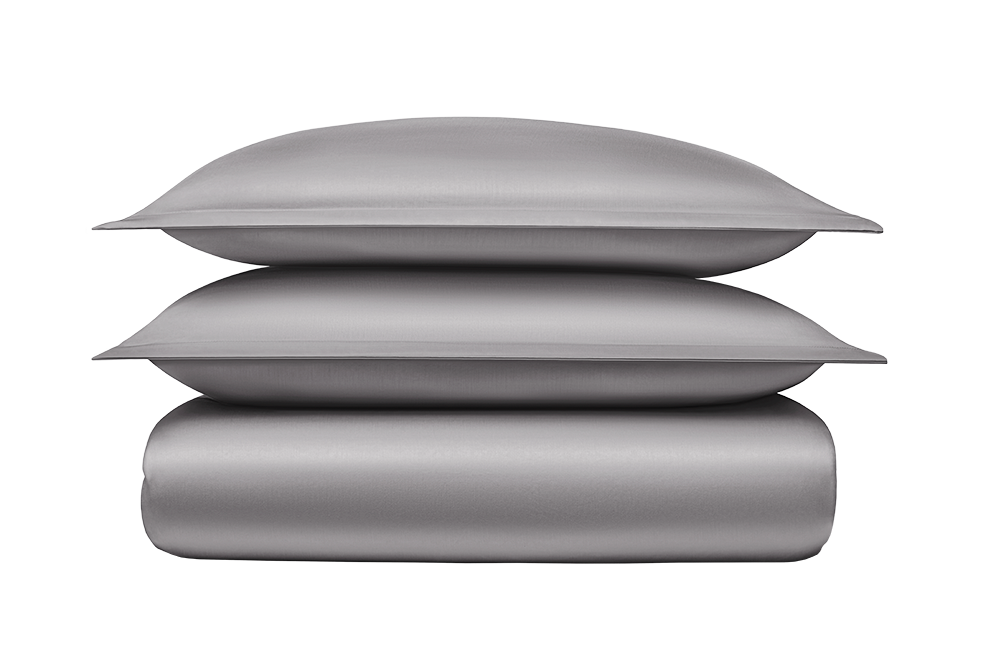
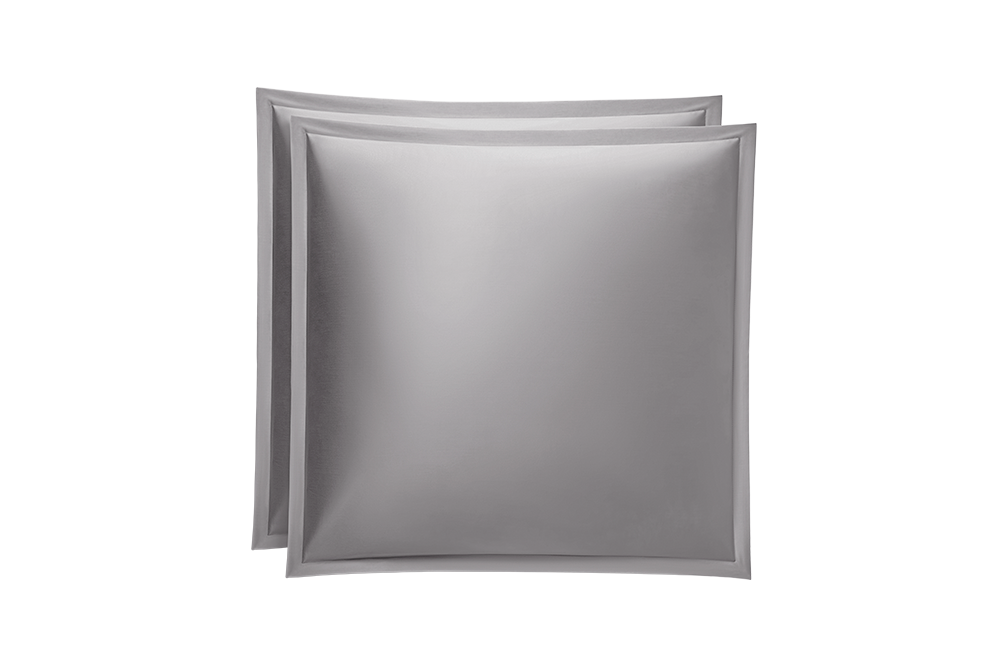
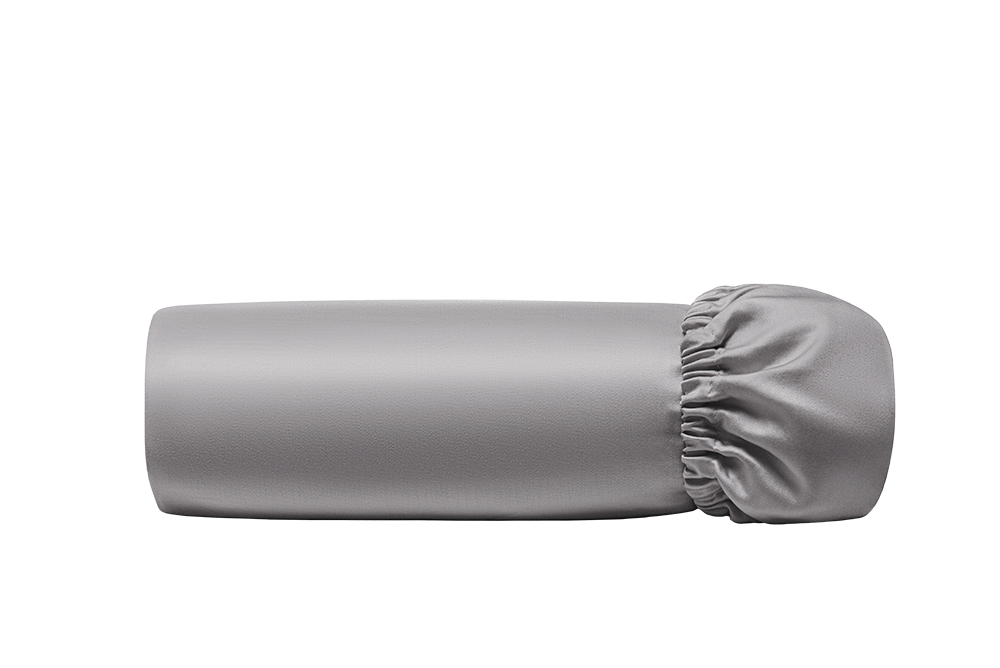
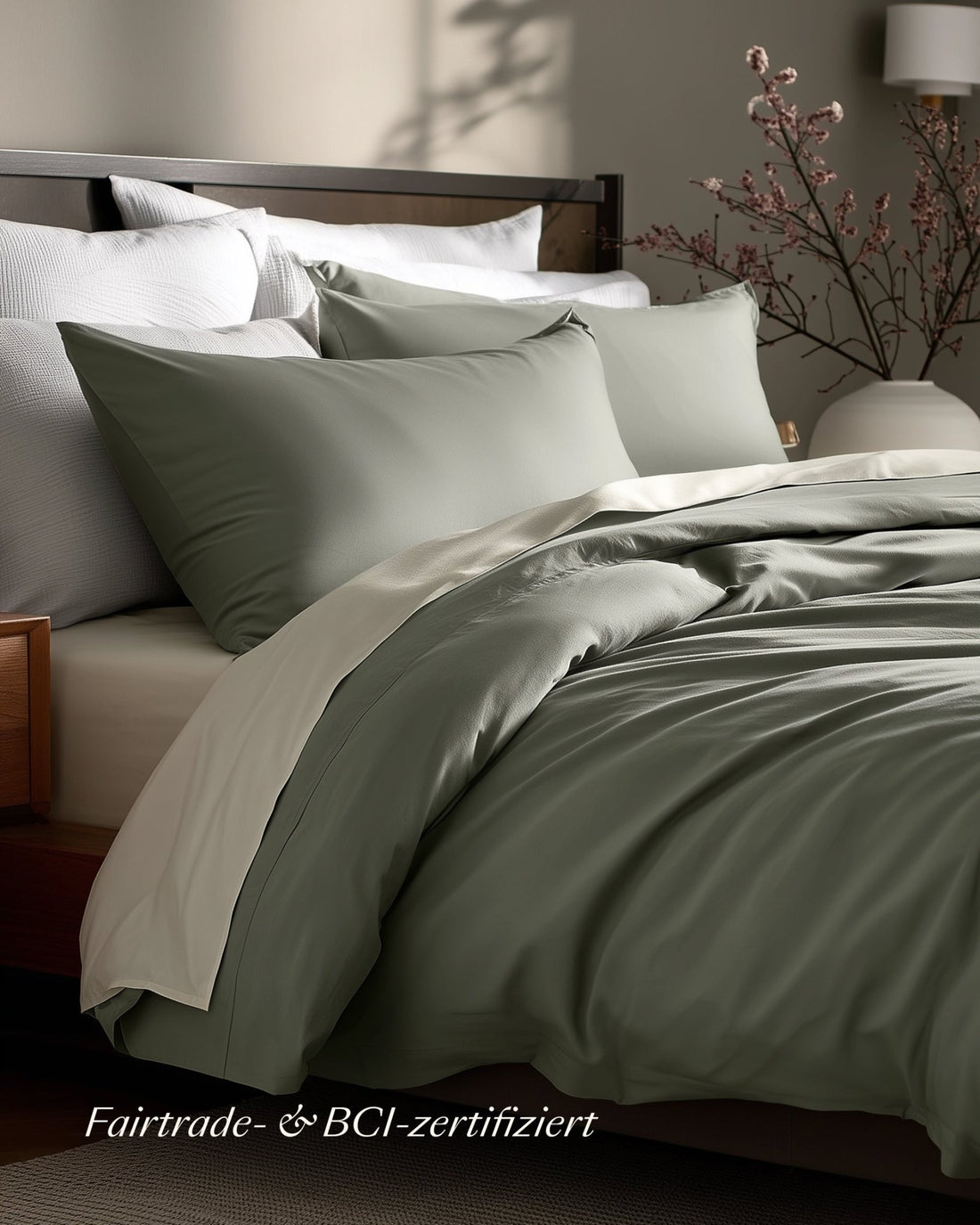
Our percale bedding is woven from 100 % BCI-certified cotton and tested to OEKO-TEX Standard 100. With a 220 TC plain weave and a peach finish, it combines that cool percale hand with a velvety surface — soft from the first night.
Available as duvet sets, fitted sheets, and pillowcases. Free shipping within Germany.
Browse our percale collection →
Sources
- Online Etymology Dictionary. Percale | Etymology, origin and meaning of percale. etymonline.com/word/percale (accessed 7 May 2026).
- Wikipedia. Percale. Wikipedia, the free encyclopedia. en.wikipedia.org/wiki/Percale (accessed 7 May 2026).
- OEKO-TEX®. STANDARD 100 by OEKO-TEX®. oeko-tex.com (accessed 7 May 2026).
- Wikipedia. Better Cotton Initiative. Wikipedia, the free encyclopedia. As of 2024 — 23 % of global cotton production. en.wikipedia.org/wiki/Better_Cotton_Initiative (accessed 7 May 2026).
- Better Cotton. Who We Are. bettercotton.org/who-we-are/ (accessed 7 May 2026).