Do you sweat in satin bed linen?
The breathability and moisture wicking properties of satin bedding depend largely on the fibers used. Traditional satin, woven from natural fibers such as cotton, tends to be more breathable and moisture-absorbent. This helps regulate temperature and wick away excess moisture, making you feel less hot or sweaty. In contrast, satin made from synthetic fibers such as polyester tends to trap heat and moisture. Those who tend to sweat too much while sleeping should therefore opt for bedding made from natural fibers.
Does satin bed linen wrinkle?
Satin bedding tends to wrinkle less than many other fabrics due to its smooth, shiny weave. However, the degree of wrinkle resistance depends on the fiber composition. Cotton sateen usually retains its shine and remains relatively wrinkle-free - although cotton can naturally wrinkle to a certain extent. Some manufacturers rely on chemical treatments, such as the use of formaldehyde, to create non-iron fabrics, for example. However, such treatments are a health risk. While synthetic satin is often even more resistant to wrinkles, it may not offer the same luxurious feel and retains heat, which can lead to increased night sweats. For optimal comfort and a first-class finish, it is therefore recommended to use satin bedding made from high-quality, natural fibers - and accept smaller, natural wrinkles rather than endangering your health with chemical additives.
How do you care for satin bed linen?
Proper care ensures that your cotton sateen bed linen remains silky smooth, breathable and durable. Follow these simple guidelines to wash, dry and maintain its quality:
- Use a gentle wash cycle up to 60 °C (40 °C is recommended).
- Avoid harsh chemicals and fabric softeners to preserve the natural breathability and not weaken the fibers.
- It is not necessary to wash satin bed linen inside out - in fact, washing it right side out will provide a more thorough cleaning of the skin side. However, closing the zipper can help prevent threads and snags.
- Air drying is the best way to reduce wrinkles. If you use a dryer, select a gentle or low-temperature cycle and remove the bedding immediately after drying.
- Ironing is optional; if necessary, use low to medium heat.
- To maintain the shine and strength of the fabric, avoid bleach or strong stain removers.
Why should you wash satin bed linen right side out?
It is not necessary to wash satin bed linen inside out - in fact, washing it right side out is more hygienic as it ensures that the skin side is thoroughly cleaned. Brands that recommend washing satin bed linen inside out often do so because they offer inferior products and focus on protecting the colour of the fabric or special treatments that conceal inferior cotton. High-quality satin bed linen such as Amqua's can be washed right side out without any concerns. This way it stays hygienically clean, retains its luxurious feel and does not lose colour.
Does satin bedding have a shiny or matte finish?
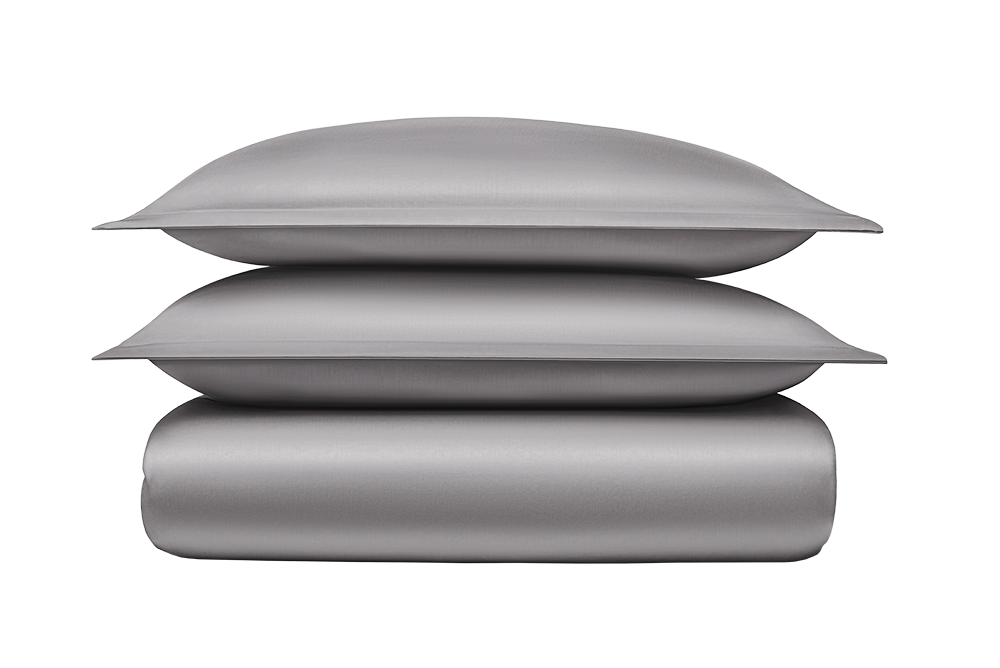
Satin bed linen usually has a shiny surface on one side and a matte surface on the other due to the satin weave used. However, the degree of shine depends on the material used:
Cotton sateen – Soft shimmer, not too shiny
- Surface: Subtle, shiny shimmer on the top; matte on the bottom.
- Feel: Silky smooth, soft and breathable.
- Ideal for: People who want a luxurious, elegant look without excessive shine.
Is a satin pillowcase good for hair?
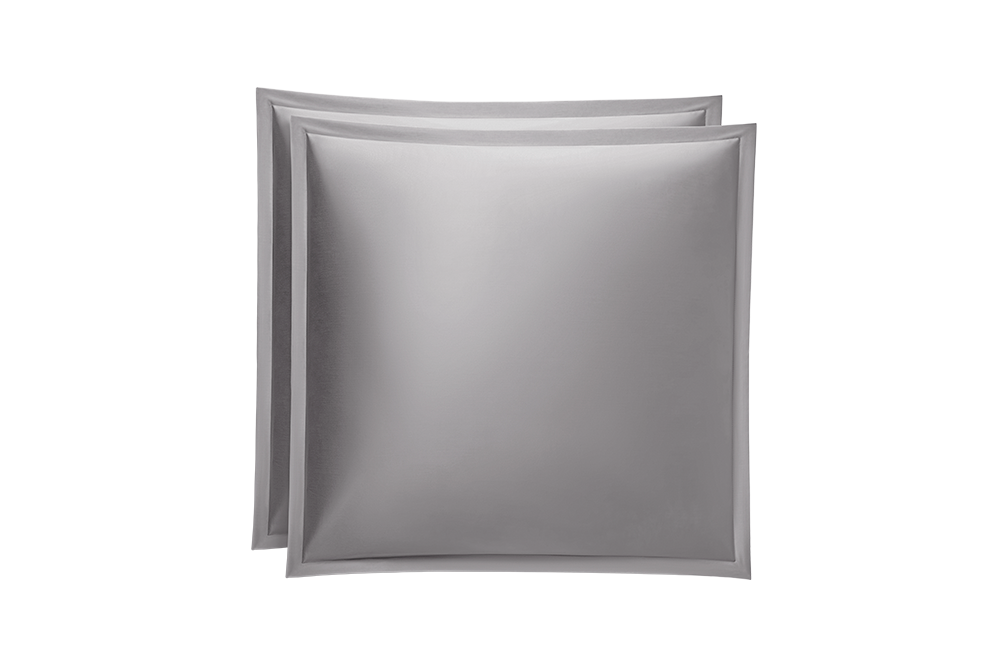
A satin pillowcase can be very beneficial for your hair thanks to its smooth texture:
- Soft surface: The smooth, silky-soft texture reduces friction and prevents hair breakage while you sleep.
- Less frizz: Minimizes split ends and helps tame frizzy hair.
- Moisture retention: High-quality, long-staple premium cotton protects the hair's natural moisture without removing essential oils.
- Shine & Smoothness: Provides smoother, shinier hair in the long term.
- Healthy hair: Reduces mechanical stress and supports the hair structure.
Is satin bed linen good for the skin?
Cotton sateen bedding offers numerous skin-friendly benefits that make it an excellent choice for anyone looking to improve their sleeping environment and protect their skin. Here are the reasons:
- Smooth texture: The silky-smooth surface of cotton sateen bed linen reduces friction, minimizes skin irritation and reduces the formation of sleep wrinkles.
- Hypoallergenic: Made from high-quality long-staple premium cotton, it is particularly gentle on sensitive skin and helps reduce allergic reactions.
- Moisture retention: Unlike many other fabrics, it supports the skin's natural moisture balance without drying it out.
- Breathable: The natural fibers promote air circulation and regulate the temperature, ensuring a pleasant sleeping environment.
- Easy to care for: Regular washing keeps the bed linen free of allergens and bacteria, which additionally protects the skin.
- Conclusion: Cotton sateen bed linen offers a luxurious, skin-friendly sleeping surface that increases comfort and contributes to healthier skin.