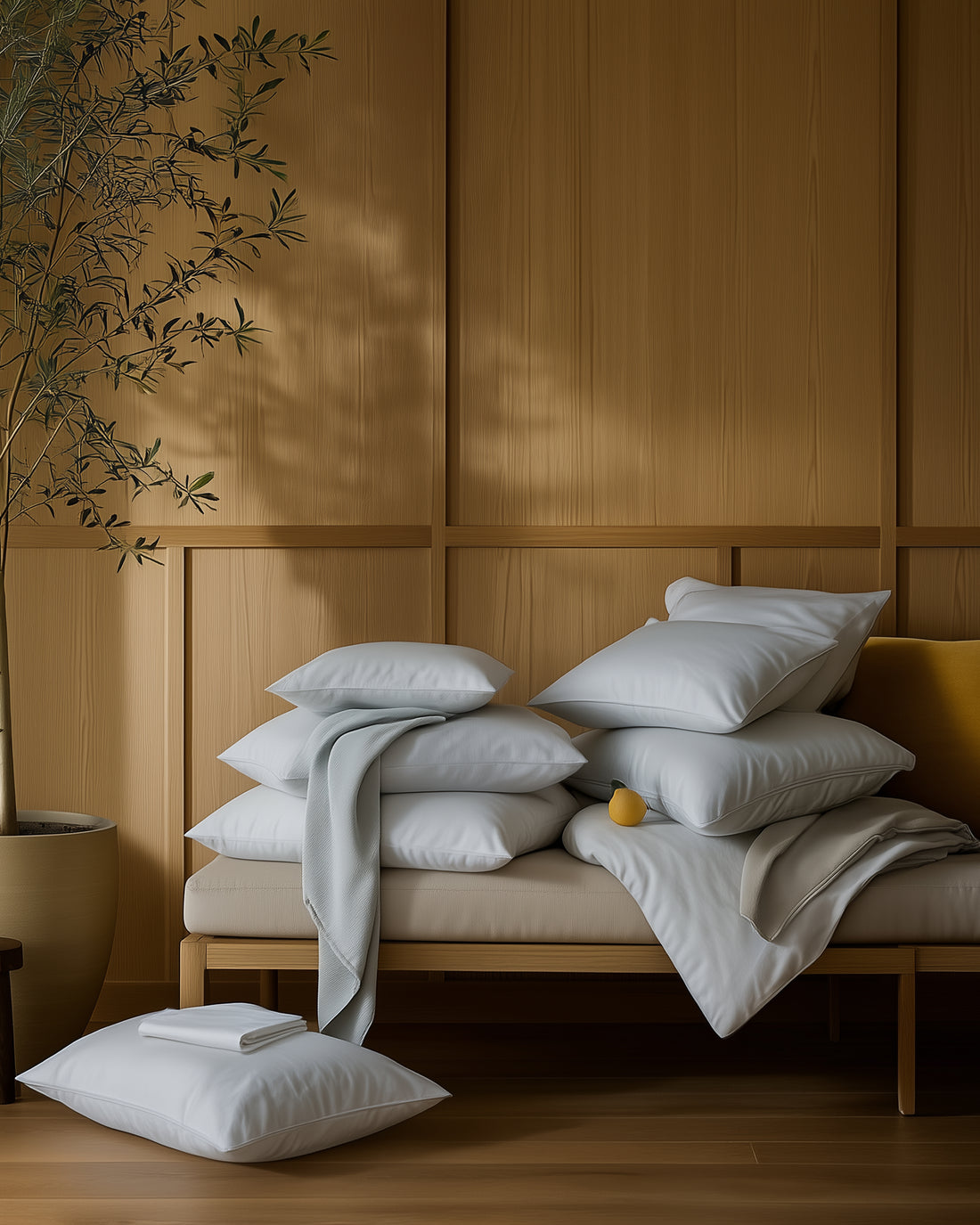
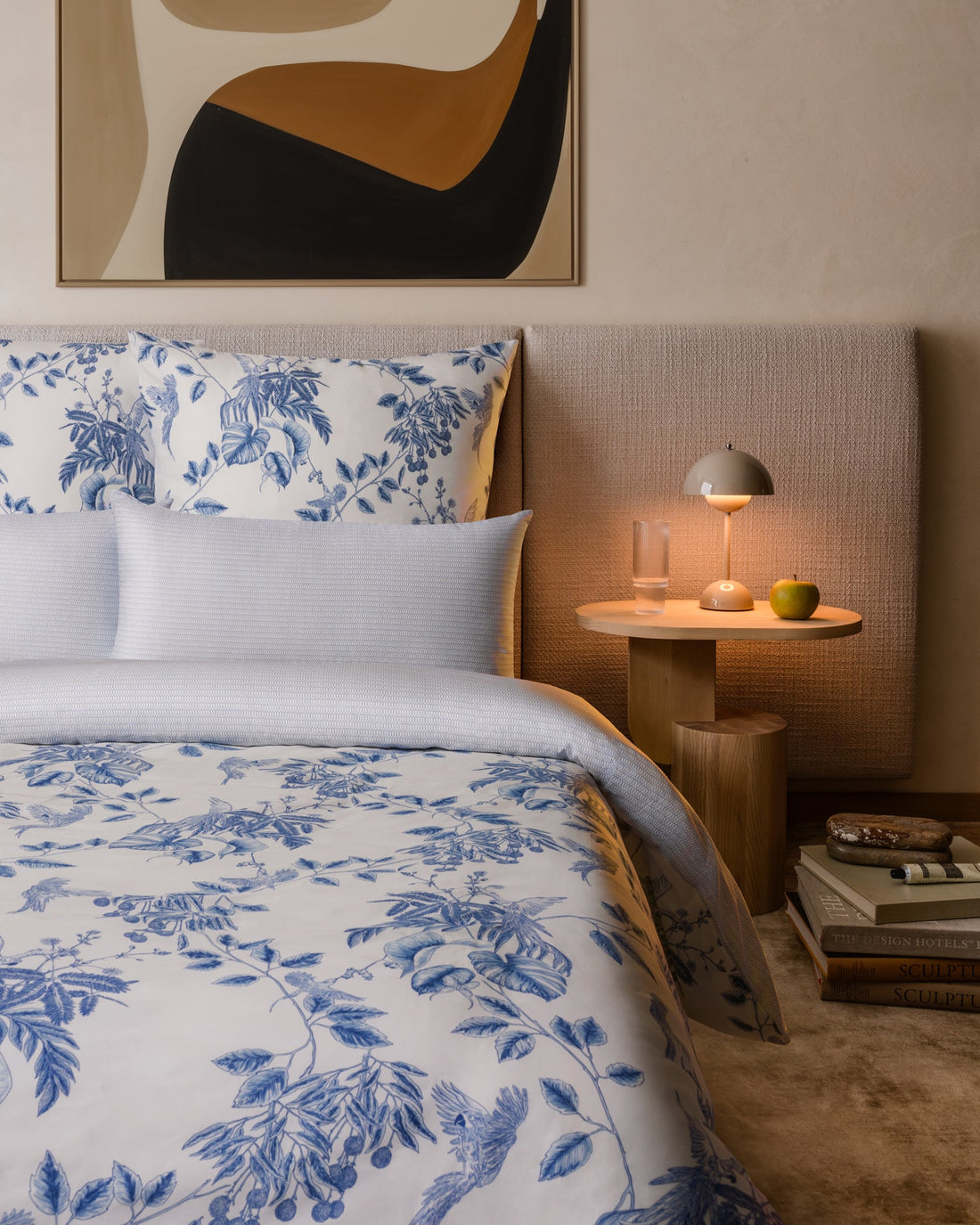

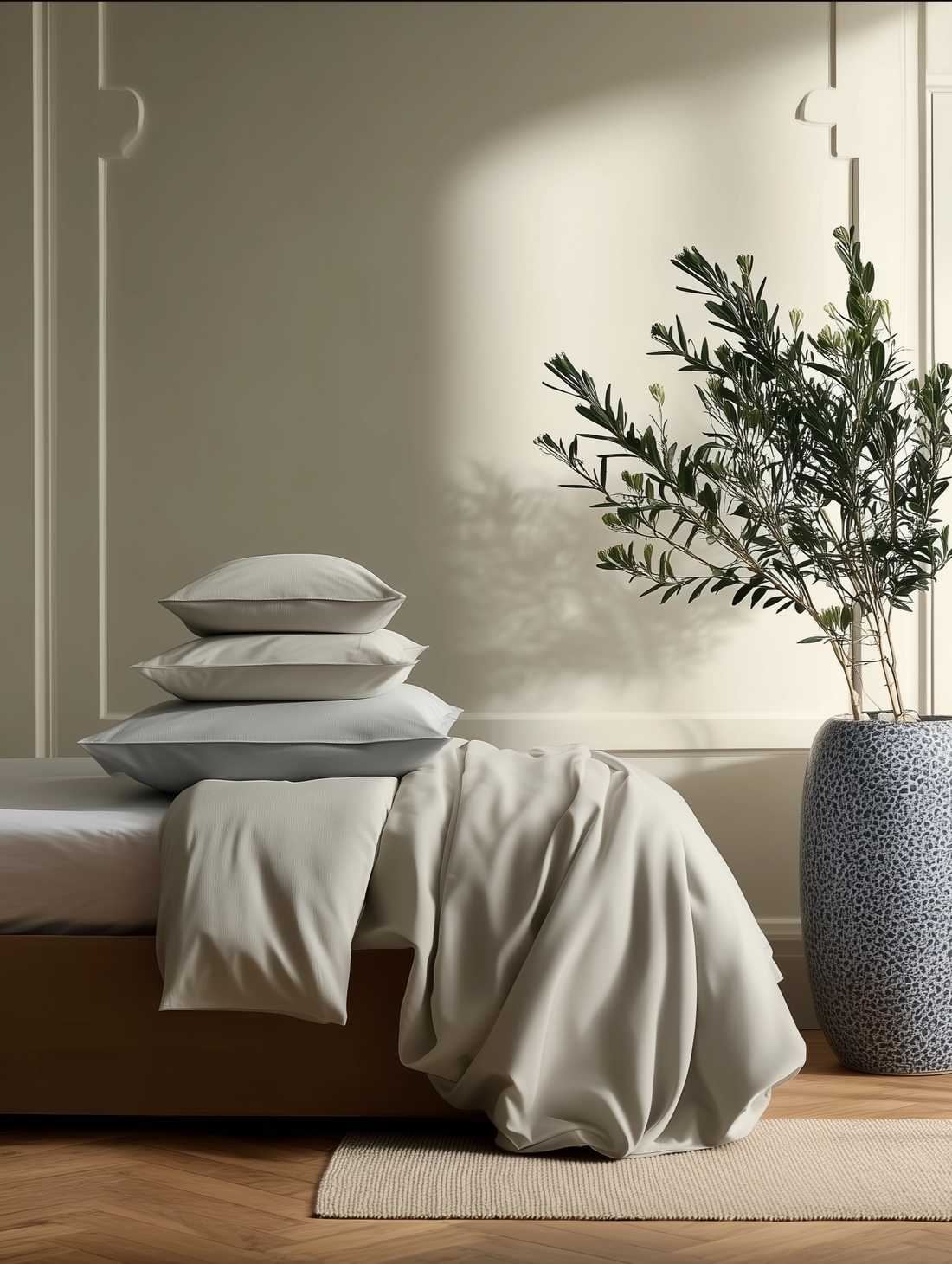

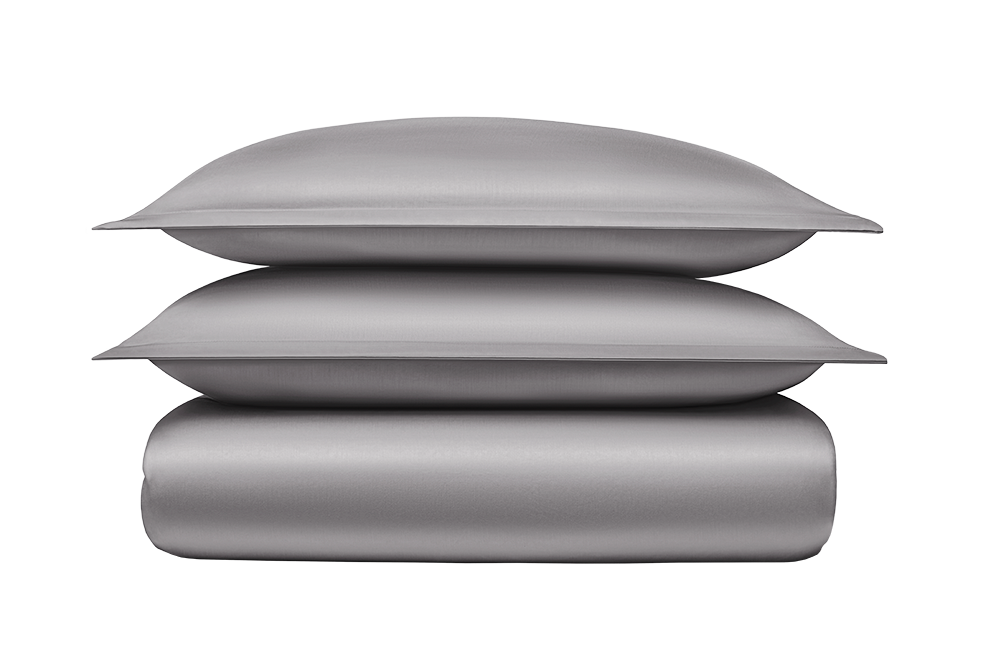
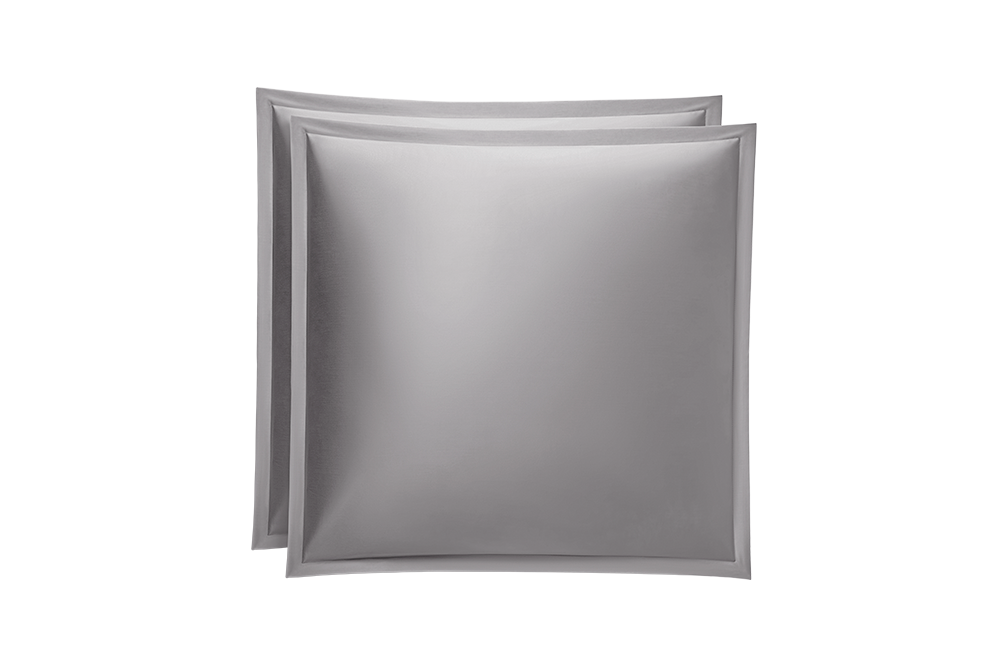
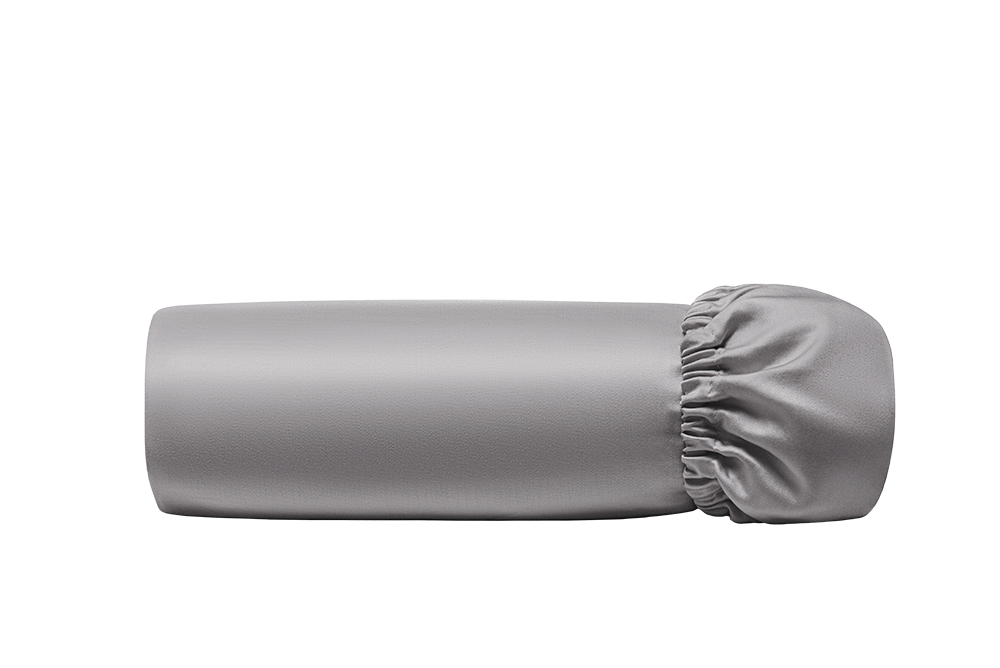
There is bedding you iron before guests arrive. And there is bedding you deliberately don't iron, because that is exactly how it is meant to look. Our new Seralino muslin bedding belongs to the second kind – and it is available from today.
Why muslin?
With percale we covered the smooth, cool side of organic cotton. Since then one question kept coming back: "Do you have something softer? Something I don't have to iron?" For a long time the honest answer was: no. Sateen is smooth, flannel is warm, lyocell is cool – but none of our fabrics was simply soft, light and relaxed.
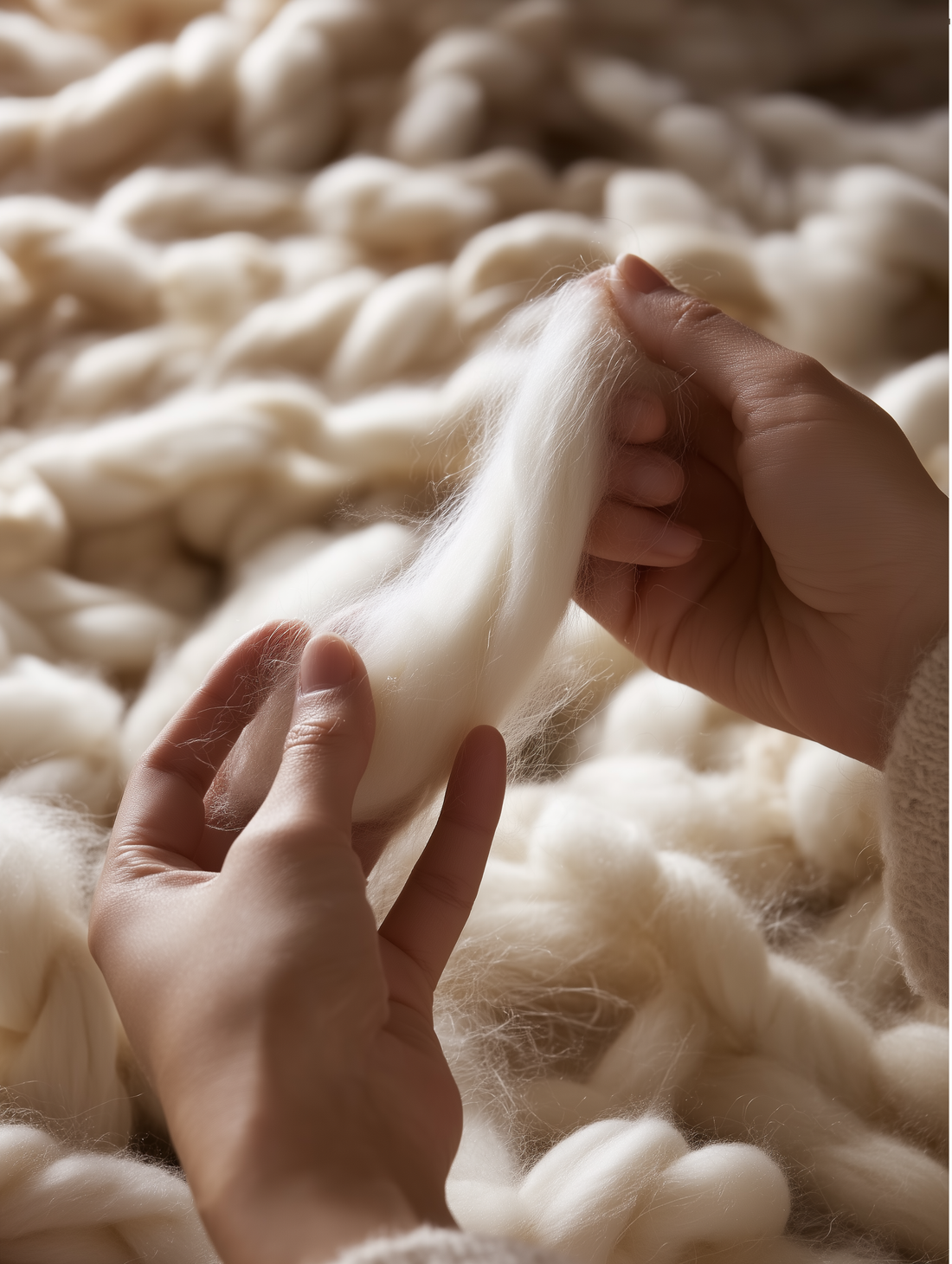
Muslin is exactly that. A loosely woven cotton fabric that is washed after weaving and gets its fine crinkle in the process. It feels like a favourite shirt after a hundred washes – and it really does get softer with every wash.
Why three layers instead of two
This is where it got interesting for us. Almost every muslin bedding we handled is two-layer at 110 to 120 g/m². That is light and cheap to produce – but in white and pale colours the duvet shows through, and at the points where the two layers are joined the fabric gives up after a few dozen washes.
We didn't want that. So we wove and washed with our manufactory until a three-layer muslin at 180 g/m² came out of it: opaque, with a full drape, and still feather-light because air stays between the layers. Internally it has been called "Wolkendicht" – cloud-tight – for months. The name stuck.
Where it is made
Our muslin is woven and sewn from 100% GOTS-certified organic cotton in a Fairtrade-certified manufactory in India – the same partner that already makes our percale. No easy-care finish, no optical brighteners, OEKO-TEX Standard 100 tested. The fabric stays the way cotton should feel.
One detail we are proud of: muslin shrinks in the first wash, that is the nature of the weave. We have already factored the shrinkage into the cut. 135x200 stays 135x200 – even after the twentieth wash. And duvet cover and pillowcases close with a concealed YKK zip in matching colour, because the soft fabric would stretch out at the opening with buttons or a hotel closure.
Four colours, seven pillowcase sizes
At launch, muslin comes in White, Beige, Dark Grey and Dark Green – muted tones that emphasise the natural crinkle rather than compete with it. The duvet cover sets come in 135x200, 155x220 and 200x200 cm, the pillowcases in sets of 2 in seven sizes from 30x50 to 80x80 cm. Plastic-free packaging, like everything we do.
Who muslin is made for – and who it isn't
Muslin is for everyone who puts softness above smoothness, doesn't want to iron and is looking for bedding for the whole year. If, on the other hand, you love the cool, crisp-smooth feel of a freshly made hotel bed, stay with percale. Having both in the cupboard is no waste, by the way – most of us switch to percale in high summer and back to muslin for the rest of the year.
Want to go deeper? In our guide What is muslin bedding? we explain layers, weight, care and the direct comparison with percale, sateen, flannel and lyocell.